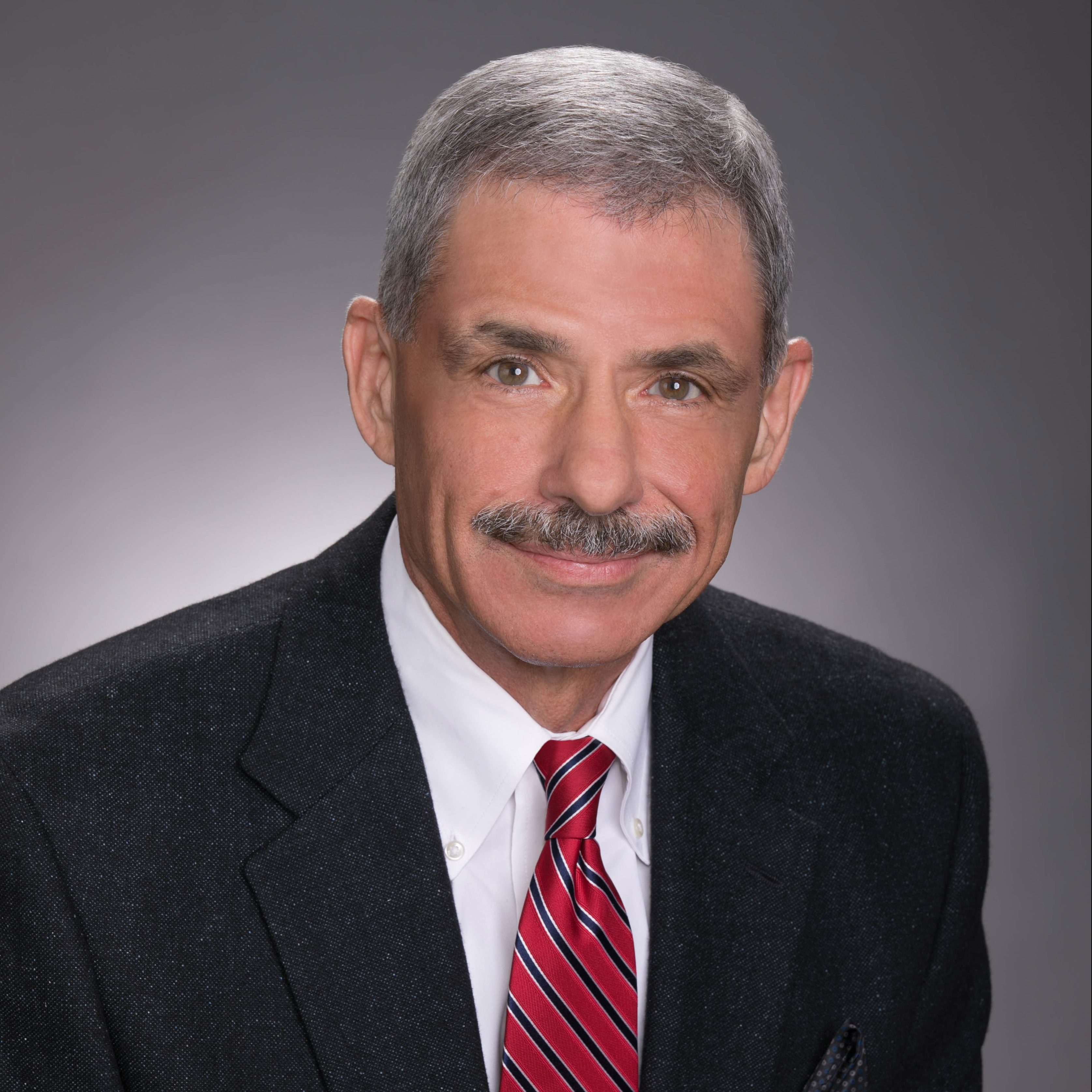
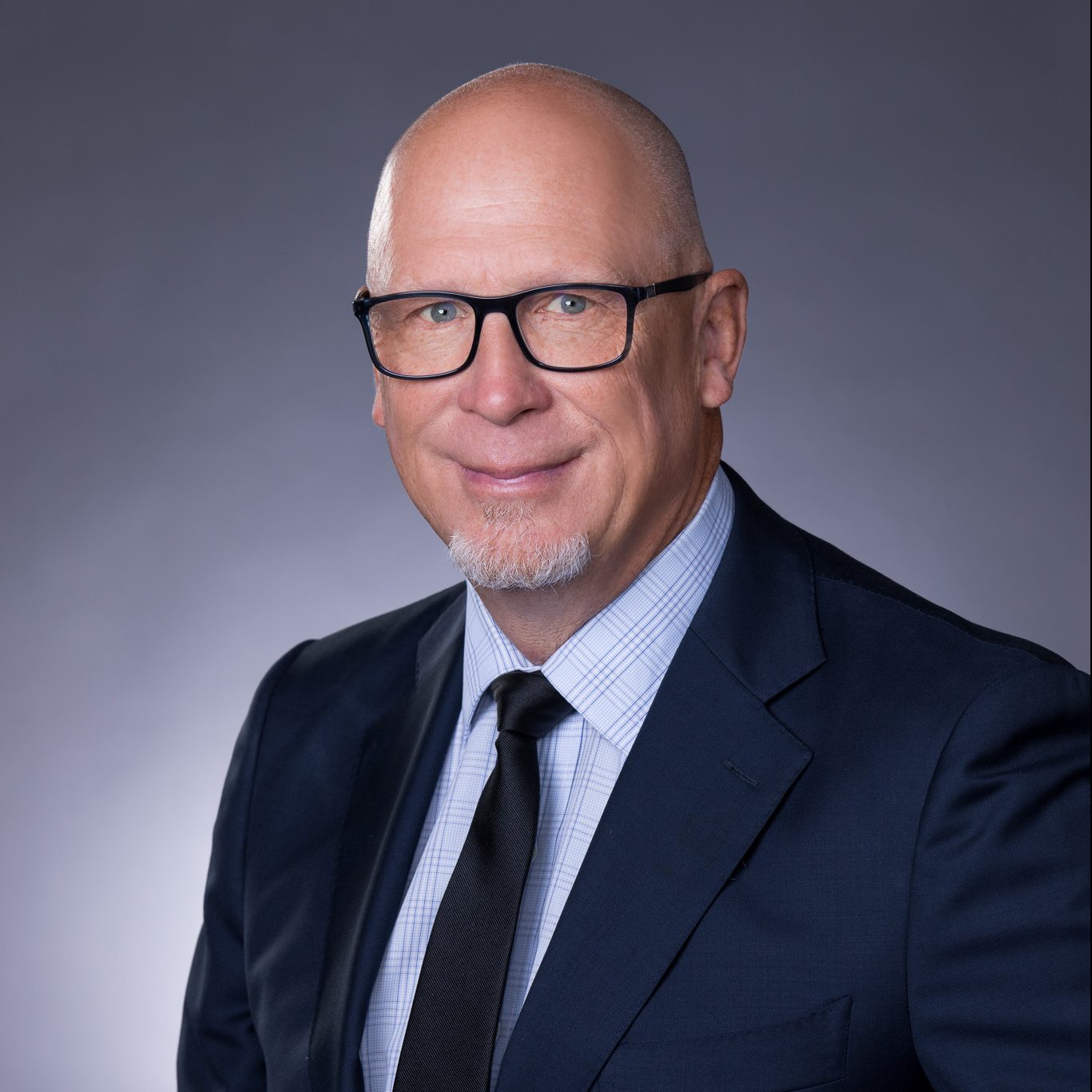
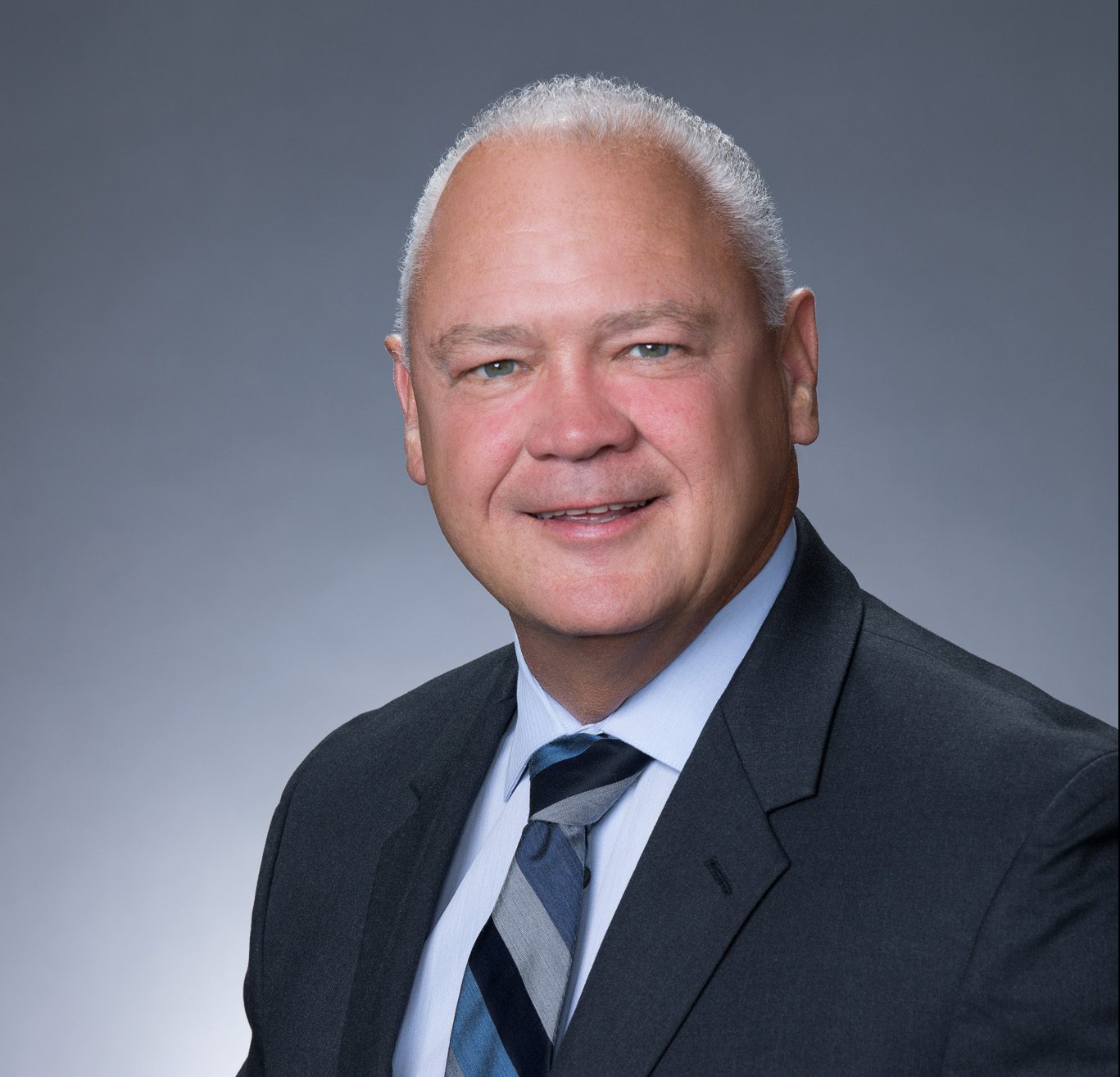
Houston sponsor of select-service hotels and Houston commercial real estate, running seven affiliated companies including its own FINRA broker-dealer. Founded 1996. Its non-traded REIT wound down in March 2026; the platform is still raising.
On recordFINRA censured the sponsor's own dealer-manager in 2015 for underwriting compensation above the 10% cap, with $350,000 ordered back to investorsjump ↓
CaveatThe REIT that raised $234.6M sold every hotel and deregistered in March 2026; the sponsor is still raising through new vehiclesjump ↓
CREsponsor scorecard
A standardized public-record assessment. Select any scored lens or profile factor to inspect the cited evidence.
Geographic concentration
01
Houston base, national hotels
Profile factor
Houston headquarters and Houston-centric current offerings, but the wound-down REIT held 14 hotels across six states: Seattle, Philadelphia, Charleston and Austin among them. Two different footprints.
Awards
02
—
Research pending
Not checked this pass. No award claim is made on this page and none is disputed: the lens is left pending rather than scored from an unrun search.
Online reputation
03
—
Research pending
No gradeable corpus. Hotel guests review Marriott and Hilton flags rather than the sponsor, and no LP review base exists. The investor-facing record lives in the risk screen instead.
Team expertise
04
78/100
Established
The only team here whose ages, titles and full histories sit in an audited SEC filing: a founder of 30 years, a CFO in the seat since 2006, and four named independent directors.
Risk screen
05
28/100
Material findings
A 2015 FINRA censure of the affiliated dealer-manager for underwriting compensation above the 10% cap, plus an audited going-concern warning and a REIT that sold every hotel and deregistered in March 2026.
Differentiator
06
Seven affiliated companies
Profile factor
Mortgage, development, management, realty, title, exchange and insurance under one owner, so the sponsor captures every fee in a transaction. That structure is exactly what the 2015 FINRA action was about.
Sources of capital
07
Retail, via own broker-dealer
Profile factor
$482.1M reported sold across 28 Reg D vehicles and 1,694 investor positions: 13 DSTs account for $427.0M of it. All distributed by Moody Securities, the sponsor's own FINRA broker-dealer.
Scores are CREsponsor editorial assessments of the cited public record, not ratings by any regulator. Methodology · Report a correction.
Profile factor
Track record
Track recordAudited, and it ends in a wind-down
Unlike every other sponsor in this directory, Moody's principal vehicle filed audited annual reports. Everything below comes from those filings and from the 8-Ks that recorded each disposition, not from marketing.
Most private sponsors can tell you whatever they like about their record. Moody National could not, because its main vehicle was an SEC-reporting non-traded REIT with an auditor, independent directors and a duty to file. That makes this the best-documented track record on CREsponsor, and what it documents is a full cycle from a $1.1 billion offering to deregistration.
$234.6MRaised from investorsgross offering proceeds, REIT II
14Hotels at 12/31/2024six states, 2,028 rooms
0Hotels todayall sold Dec 2025 – Mar 2026
6Years without a distributionsuspended March 2020, never resumed
All figures from Moody National REIT II's FY2024 annual report on Form 10-K (filed 2025-03-31) and from the Form 8-Ks recording each disposition. Gross offering proceeds cover the initial and follow-on offerings, exclude shares issued in the REIT I mergers, and include 567,000 DRP shares. REIT II 10-K, FY2024
The going-concern disclosure is the pivot, and it is the company’s own language. REIT II’s FY2024 annual report states that its “liquidity position raises substantial doubt about the Company’s ability to continue as a going concern and its capability to repay its matured loans of $33.2 million as of December 31, 2024 and loans of $103.5 million maturing during the year ending December 31, 2025.” Management’s stated plan had three parts, and the second is worth reading twice: (1) sales of properties, (2) forfeit properties with non-recourse mortgage loans to the lenders, and (3) extend notes payable to related parties.
Then the board stopped valuing the shares. REIT II had published an estimated NAV every year. On 26 March 2024 it set $17.25 per share as of 31 December 2023. For 2024 it published nothing: the board “determined that it is not in our best interests to incur the significant expense of determining an estimated NAV per share,” citing “our reduced cash flows and the demands of our debt service obligations and other critical operating expenses and the volatility and lack of liquidity in the commercial real estate market.” As of that annual report the board “remains unable to determine an updated estimated NAV per share.” For an investor in an illiquid, non-traded, non-distributing REIT, the estimated NAV was the only number available, and it stopped.
The liquidation, transaction by transaction. Five 8-Ks over four months record the disposal of the entire portfolio:
The last transaction is the one to study. On 6 March 2026 the REIT sold the Hampton Inn Austin/Airport Area South, the Hampton Inn Houston I-10W Energy Corridor and the Hyatt Place North Charleston to Moody EC Development, LLC (described in the 8-K itself as “a Texas limited liability company affiliated with the Company’s sponsor and adviser”), for $18,850,000. That price “included the assumption by the Buyer of aggregate outstanding debt secured by the Hotels of approximately $18.05 million,” and the balance above the assumed debt “will be credited to the balance owed by the Company under a series of loans made to the Company by Moody National Capital, LLC, an affiliate of the Company.” The filing then states plainly: “The remaining balance on the Related Party Notes owed by the Company to Moody Capital will be more than $20,000,000.”
So the final assets went to the sponsor’s affiliate, paid for mostly by assuming debt and cancelling debt owed to another sponsor affiliate, and the REIT still owed that affiliate over $20 million afterwards. Equity ranks behind all of it. The related-party balance had been building for years: the FY2024 10-K reports $23.2 million due to related parties, including $14.5 million of accrued interest on related-party notes: up from $8.2 million a year earlier.
What this page will not do is estimate what investors got. No liquidating distribution is disclosed, and inventing a loss figure would be as unsound as accepting a marketing one. The facts an allocator needs are all above: $234.6 million in, distributions off since March 2020, no valuation after $17.25 in December 2023, roughly $98.1 million of gross disposition consideration, more than $20 million still owed to an affiliate, and a Form 15 on 30 March 2026 ending the reporting that made any of this visible.
Profile factor
Geographic footprint
Geographic concentrationHouston base, national hotels
Two footprints that must not be conflated: the hotel portfolio was national, and the current offerings are Houston. Locations from the FY2024 10-K, the disposition 8-Ks and the live offering pages.
Moody National has always been a Houston company selling assets that were not always in Houston. The REIT held 14 hotels across six states with 2,028 rooms at the end of 2024: the named dispositions reach Seattle, suburban Philadelphia, North Charleston, Austin and Houston. The two offerings live today are both Houston deals: an office and retail complex in Memorial/Hedwig Village and an apartment development in Memorial/Spring Branch.
Named hotels from the disposition 8-Ks plus the current Houston offerings, as of 2026-07-26. The REIT held 14 hotels in six states at 12/31/2024; only those individually named in filings are mapped, so this is a partial view of the former portfolio and a complete view of current offerings. disposition 8-Ks + offering pages
The strategy shift is the thing to notice. The wound-down vehicle was select-service hotels under Marriott, Hilton and Hyatt flags spread across the country: a business whose revenue reprices nightly and which COVID hit harder than any other property type. The live vehicles are a Houston office/retail DST and a Houston apartment development. That is a move from national hospitality to local, longer-lease product, and nothing in the sponsor’s public materials frames it as a change of course.
Scored on public track record: the depth of verifiable history for each seat. This is the only team in the directory whose ages, exact titles, tenures and prior roles are stated in an audited SEC filing rather than on a marketing page.
Behind the 78/100: the documentation is in a class of its own. Because REIT II filed a 10-K, Part III sets out each officer’s name, age, title and full role history under penalty of perjury, along with four named independent directors: something no Reg D-only sponsor in this directory provides. The tenures are genuinely long: a founder of thirty years and a CFO in the finance seat since 2006. The score stops in the 70s because the same filings document the outcome those tenures produced.
Founder · 30 years
Brett C. Moody
Chairman, Chief Executive Officer and President
Public track record80/100
Founded Moody National in 1996 as a mortgage banking company
Chairman, CEO and President of REIT II since its organization
Also CEO and President of the external adviser
Held the equivalent roles at Moody National REIT I until its 2017 merger
Age 61 as of the FY2024 10-K. Owns and manages Moody National REIT Sponsor, LLC and signed each disposition 8-K personally.
The independent directors deserve naming, because they are the governance layer that disappeared with deregistration. REIT II’s board included four independent directors (William H. Armstrong III, Charles L. Horn, Clifford P. McDaniel and John P. Thompson), who, among other things, set the $17.25 NAV in March 2024 and then decided not to set another. Those seats existed because the vehicle was SEC-reporting. The live DST and Fund III have no independent directors and no auditor filing publicly, so on the current offerings the only check on an affiliate transaction is the sponsor itself.
Published contact points: the firm lists 9655 Katy Freeway, Suite 600, Houston, TX 77024, phone 713-977-7500, fax 713-977-7505, the same address that appears on the FY2024 10-K cover and on Moody Securities’ FINRA record.
Public-record assessment
Risk screen
Editorial score28/100
Screens run 2026-07-26 against FINRA BrokerCheck at firm level, SEC EDGAR filings and 8-Ks, and the REIT's audited financial statements. Two of the three findings are concluded facts on the record, not allegations, and neither involves any finding of fraud.
Behind the 28/100: three things compound. A regulator sanctioned the affiliated distributor for charging investors above the compensation cap on the first REIT. The second REIT then carried an audited going-concern warning, stopped valuing its own shares, sold everything and deregistered. And the exit route for the last three hotels ran through the sponsor’s own affiliate. Each is documented; together they describe a pattern in which the sponsor’s economics and the investors’ were not aligned.
Finding FINRA regulatory action (affiliate) CONCLUDED, 2015. FINRA censured Moody Securities (CRD 148771) by Acceptance, Waiver and Consent in March 2015. Without admitting or denying, the firm consented to findings that as dealer-manager for Moody National REIT I its underwriting compensation exceeded 10% of gross proceeds and its supervisory procedures failed to monitor offering expenses. Sanction: censure plus a $350,000 contribution to the REIT for investors, no fine. Not a final order based on fraud. BrokerCheck detailed report
Finding Going concern (audited) REIT II's FY2024 10-K states that its liquidity position 'raises substantial doubt about the Company's ability to continue as a going concern', against $33.2M of loans already matured at 12/31/2024 and $103.5M maturing in 2025. Management's plan expressly contemplated forfeiting properties with non-recourse mortgages to the lenders. 10-K, Note 11
Finding Distributions and liquidity to investors Distributions suspended in March 2020 and never resumed, six years as of this screen. The share repurchase program is indefinitely suspended, and there is no public trading market, so investors have had no income and no exit. The board published no estimated NAV after $17.25 as of 12/31/2023. 10-K risk factors
Finding Affiliate transaction on the way out The final three hotels were sold on 2026-03-06 to Moody EC Development, LLC ('affiliated with the Company's sponsor and adviser' per the 8-K), for $18.85M, comprising ~$18.05M of assumed debt with the excess credited against notes owed to affiliate Moody National Capital, LLC. More than $20M remained owed to that affiliate afterwards. Disclosed correctly; no fairness opinion or special-committee approval is mentioned in the filing. 8-K, 13 Mar 2026
Finding Related-party balances Amounts due to related parties, net rose to $23.213M at 12/31/2024 from $18.300M a year earlier, including accrued interest on related-party notes of $14.475M (up from $8.208M) and $4.819M of asset management fees. Related-party note capacity was $50.0M, up from $40.0M. 10-K, Note 6
Finding End of public reporting REIT II filed Form 15-12G on 2026-03-30, terminating its registration and its duty to file. Combined with the apparent absence of an FY2025 10-K, the last audited financial statements investors received cover FY2024: the going-concern year. Form 15-12G
Clear Broker-dealer registration status Moody Securities, LLC remains ACTIVE, FINRA-approved since 2009-01-08, two branches, registered across 53 US states and territories, with one regulatory disclosure and no customer-complaint or arbitration disclosures at firm level. Its continued registration means the current offerings are sold through a supervised, examinable entity. FINRA BrokerCheck
Clear Same-name entities MOODY CAPITAL SOLUTIONS, INC (CRD 15989, Alpharetta, Georgia) is an unrelated broker-dealer with a different address, CRD and history. Nothing on this page draws on its record. BrokerCheck search
Clear, partial Foreclosure (county records) Charleston (SC) checked 2026-07-30 and clean, the first jurisdiction on this page to be reached. All 14 Moody National records in the Register of Deeds index were read in full: assignments, mortgages, subordinations, a security agreement, a right and a consent, with no trustee sale, foreclosure, lis pendens or deed in lieu. Entities match the documented HOLDING and MT stack. Controls both ways: a SMITH canary returns 3,000 entries, and the 14 records prove this sponsor is reachable. Not yet reached: Harris, Travis and King (WA), logged in open: and not scored. county clerk records
Screens as of 2026-07-26.
How to read the 2015 action fairly, because the precise words matter. This was not a fraud case, and FINRA’s own report says so in a dedicated field. It was a compensation-cap and supervision case: on a non-traded REIT offering, the total underwriting compensation paid out of investors’ money exceeded the 10% ceiling FINRA imposes, and the firm’s written procedures were not built to catch that as the offering ran on. The remedy was corrective (a censure and $350,000 paid back into the REIT for distribution to the very investors affected), with no fine because the firm could not pay one. Eleven years on, it is old. It is on this page because the same affiliated dealer-manager is selling the offerings that are live today, and because a cap on how much of an investor’s dollar can be consumed by distribution is precisely the risk that a seven-company vertically integrated sponsor has to manage.
For calibration, the current disclosed commissions are below that cap: $10.9 million on the DST’s $136.25 million offering is about 8.0%, $3 million on Fund III’s $40 million is 7.5%, and Fund II’s $2,035,023 on $27,345,000 was 7.4%. Those are the disclosed sales commissions only: organisation, offering and acquisition expenses sit on top, and the 2015 action concerned the total, not the commission line.
Profile factor
Awards and designations
AwardsScreen not run
This lens is pending rather than scored. No awards screen was executed for this profile, and a score derived from a search that did not happen would be worse than an honest gap.
This lens is deliberately left unscored. Every other sponsor page in this directory carries either a verified award or a dated “nothing surfaced” result. Neither is true here: the awards screen was not run in this pass, so there is nothing to report in either direction.
Per sponsorAwards screen pendingnot yet checked · as of 2026-07-26
No award or ranking is claimed by this profile and none has been checked. The sponsor's site describes the firm as 'Sponsor of Choice': a trademarked self-description, not a third-party designation, and it is recorded here as such. The next refresh should screen GlobeSt, the Houston Business Journal, NAIOP and the hospitality trade press before this card is scored.
A hotel sponsor's guests review the Marriott and Hilton flags that operate the buildings, not the owner. The investor-facing reputation record here is regulatory, and it is scored under the risk screen instead.
This lens is left unscored, and the reason is methodological. The resident-review method that grades a multifamily operator does not transfer to hotels: guest reviews attach to the brand and the management company, not the capital sponsor, so aggregating them would measure Marriott’s and Hilton’s operations rather than Moody’s stewardship. No verified limited-partner review corpus exists either.
LP reviews No profile found No verified limited-partner review corpus exists for the Moody vehicles
Profile factor
The Circle of Strength
DifferentiatorSeven affiliated companies
The sponsor's own framing, taken at face value and then tested against the filings. Vertical integration is real here, and the 2015 FINRA action is the clearest evidence of what it costs when the fee layers are not capped.
Moody National describes itself through what it calls the “Circle of Strength”: seven companies covering mortgage (“one of the highest volume intermediaries of commercial real estate capital in the country”), development (hospitality and multifamily), management (a stated 500-member team), realty (the sponsor platform, “over 3,000 investors nationwide for a total capitalization of $3 billion”), title, exchange (a legal team that has “closed more than $2 billion in real estate transactions”) and insurance. Alongside them sits Moody Securities, LLC, the FINRA broker-dealer that distributes the offerings.
The claim is credible; the filings corroborate the shape of it. A sponsor that originates the debt, develops the asset, manages it, sells the securities, insures it, issues the title policy and structures the 1031 exchange genuinely does control the whole transaction (which is what the marketing means by doing “one thing), the real estate transaction from start to finish.”
Why an allocator should care, and it is not the efficiency argument. Every one of those seven companies is a fee-earning counterparty to the investor’s own deal, and each fee reduces the equity that reaches the asset. That is not speculation about a structural risk: it is the exact subject of the one regulatory action on this page. In 2015 FINRA found that on Moody National REIT I the total underwriting compensation paid out of investors’ proceeds exceeded the 10% cap, and that the firm’s procedures were not designed to notice as an offering stayed open and the costs accumulated. Vertical integration is the mechanism by which that happens.
The governance left with the vehicle that wound down. Integration removes the independent parties who would otherwise object. When REIT II sold its final three hotels, the buyer was a sponsor affiliate and the consideration partly extinguished debt owed to another sponsor affiliate: a transaction with no unaffiliated counterparty on either side of the value question. REIT II at least had four independent directors and an auditor. The two offerings live today have neither. A DST has no board; a Reg D fund files no audited public financials. So the governance that surrounded the vehicle that wound down is not present on the vehicles now being sold, while the seven-company fee structure is unchanged. That is the single most important thing on this page for anyone being shown Village Towers or Fund III today.
Recent activity
2026-03Negative
REIT II deregisters after selling its last three hotels to a sponsor affiliate
Wind-down
Form 15-12G filed 2026-03-30 ended SEC reporting. Three weeks earlier the Hampton Inn Austin/Airport South, Hampton Inn Houston I-10W and Hyatt Place North Charleston went to Moody EC Development, LLC (an affiliate of the sponsor and adviser), for $18.85M including ~$18.05M of assumed debt, leaving more than $20M still owed to affiliate Moody National Capital.
A Form D amendment for Moody National Financial Fund III reported $16,606,740 sold against a $40,000,000 offering, first sale 2025-04-10, with $3,000,000 of sales commissions. The fund backs Silo Springs Apartments, a 346-unit Houston development.
Village Towers DST passes $57.9M raised from 170 investors
Fundraise
Up from $39.9M and 119 investors a year earlier, against a $136,250,000 registered offering at a $25,000 minimum. Disclosed sales commissions of $10.9M, payable to Moody Securities and third-party selling firms.
SpringHill Suites Seattle for $51M (Dec 10), Hampton Inn Philadelphia for $10.4M (Dec 11), Homewood Suites Houston for $8.4M (Dec 16) and Homewood Suites Austin for $9.4M (Dec 30): all to unaffiliated buyers, and all executing the property-sale leg of the going-concern plan.
FY2024 annual report discloses substantial doubt about going-concern status
Disclosure
The 10-K reported 14 hotels and 2,028 rooms, $33.2M of matured loans and $103.5M maturing in 2025, distributions still suspended since March 2020, and a board unable to determine any estimated NAV per share after $17.25 at December 2023.
Distributions suspended and the follow-on offering terminated
Distributions
REIT II suspended distribution payments in March 2020 as COVID shut down hotel demand, and terminated its follow-on public offering effective 25 March 2020 after $87.2M of follow-on proceeds. Distributions have never resumed.
FINRA censures Moody Securities over the REIT I offering
Regulatory
An Acceptance, Waiver and Consent dated 27 March 2015 (docket 2012032734401) found underwriting compensation on Moody National REIT I exceeded the 10% cap and that supervisory procedures were inadequate. The firm was censured and ordered to contribute $350,000 to the REIT for distribution to investors; no fine was imposed given its financial status. Expressly not a fraud-based order.
Investor counts and terms from Form D filings and the REIT's 10-K rather than marketing. Every offering is distributed by the sponsor's own FINRA broker-dealer, with commissions disclosed in dollars.
Moody National raises from individual retail and 1031-exchange investors through advisers and its own broker-dealer, with no institution anywhere in the disclosed capital stack (Form D history). Thirteen Delaware Statutory Trusts account for $426,981,108 and 1,214 investor positions, roughly twice what the non-traded REIT raised before distributions stopped in March 2020, and those REIT shares were held by individuals who could not sell once the repurchase programme was suspended.
How Moody National compares
Partners Real Estate: the instructive contrast, and the closest structural twin: another Houston sponsor selling its own funds through its own FINRA broker-dealer. Partners’ broker-dealer carries zero disclosures and its funds show three fully realized cycles; Moody’s carries a censure and its REIT wound down. Same structure, different records.
WindMass Capital: the other sponsor here whose investors sit behind a completed loss, though through lender foreclosure rather than a managed liquidation.
RREAF Holdings: a Texas sponsor with real hospitality exposure that did not go through a public wind-down.
It wound down. The REIT raised 234.6 million dollars in gross offering proceeds, suspended distributions in March 2020 and never resumed them, indefinitely suspended its share repurchase program, and declined to determine any estimated NAV per share after the 17.25 dollars it published for 31 December 2023. Its FY2024 annual report disclosed substantial doubt about its ability to continue as a going concern, with 33.2 million dollars of loans already matured and 103.5 million dollars maturing in 2025. Between December 2025 and March 2026 it sold all of its hotels, and it filed a Form 15 to deregister from SEC reporting on 30 March 2026.
Is Moody National still an active sponsor?
Yes, and its retail capital formation is larger now than the REIT ever was. Moody National Companies, founded in 1996 by Brett C. Moody, describes itself as seven affiliated businesses. Across SEC EDGAR it has 28 Regulation D vehicles reporting 482.1 million dollars sold and 1,694 investor positions, of which 13 Delaware Statutory Trusts account for 427.0 million dollars and 1,214 positions: nearly twice what the wound-down REIT raised. Currently raising as of 2026-07-26: Moody Med Center 2 DST, which registered a 41.9 million dollar offering in March 2026 with no sales yet reported; Moody Village Towers DST at 57.9 million of 136.25 million sold to 170 investors; and Moody National Financial Fund III at 16.6 million of 40 million sold to 128 investors. An affiliate also bought three hotels out of the REIT in March 2026.
Has Moody National been sanctioned by a regulator?
Yes, once, in 2015, and the detail matters. FINRA censured Moody Securities, LLC (the sponsor's affiliated broker-dealer, CRD 148771), under an Acceptance, Waiver and Consent dated 27 March 2015, docket 2012032734401. Without admitting or denying the findings, the firm consented to findings that as wholesaling dealer-manager for Moody National REIT I it violated FINRA rules on underwriting compensation when that compensation exceeded 10 percent of the offering's gross proceeds, and that its written supervisory procedures were inadequate to monitor offering expenses as an offering remained open. It was censured and ordered to contribute 350,000 dollars to the REIT for distribution to investors in that offering; no monetary fine was imposed in light of the firm's financial status. FINRA's own report records that the order does NOT constitute a final order based on violations of laws prohibiting fraudulent, manipulative or deceptive conduct.
Who runs Moody National?
Brett C. Moody, who founded the firm in 1996 and was aged 61 as of the REIT's FY2024 annual report, serves as Chairman, Chief Executive Officer and President, and owns and manages the REIT sponsor entity. Robert W. Engel, aged 70, is Chief Financial Officer and Treasurer, has held that seat since the REIT's organization, held the equivalent roles at Moody National REIT I from 2008 to 2017, and has been CFO of real estate development and management for the wider Moody National organization since September 2006.
What is Moody National raising now, and on what terms?
Two Regulation D 506(c) offerings. Moody Village Towers DST is a Delaware Statutory Trust holding Village Towers, a Class A office and retail complex in West Houston developed in 2019; its Form D reports a 136.25 million dollar offering, a 25,000 dollar minimum and 10.9 million dollars of sales commissions, or about 8 percent. Moody National Financial Fund III funds Silo Springs Apartments, a 346-unit development in Houston's Memorial and Spring Branch area; the sponsor's site advertises a 10 percent preferred distribution, a 50,000 dollar minimum and a 31 July 2028 redemption date, while its Form D reports a 40 million dollar offering, 3 million dollars of commissions and a 250,000 dollar minimum investment accepted. Both minimum figures are cited on this page because they differ by five times.
How much has Moody National raised in total?
The sponsor's own site claims real estate investment programs for more than 3,000 investors nationwide totalling 3 billion dollars of capitalization. The SEC-verifiable slice is substantial and now measurable: 482.1 million dollars reported sold across 28 Regulation D vehicles with 1,694 investor positions, plus 234.6 million dollars of gross offering proceeds for REIT II. The largest single raise on the record is Moody Rainey DWTN Austin DST at 87.2 million dollars from 292 investors. The 3 billion dollar figure is a capitalization claim including debt and spanning three decades, so it is not directly comparable to either number.
Did Moody National REIT II investors lose money?
The outcome is not disclosed and CREsponsor does not estimate it. What the filings establish: investors paid in 234.6 million dollars gross; distributions stopped in March 2020 and never restarted; the last published estimate of value was 17.25 dollars per share as of December 2023 on 13.64 million shares; the board then declined to publish any further NAV, citing reduced cash flows and debt service; the hotels were sold between December 2025 and March 2026 for roughly 98.1 million dollars in disclosed consideration; and after the final sale the REIT still owed more than 20 million dollars to an affiliate of its own sponsor. Equity ranks behind that debt.
Revision history3entries
Sources of capital condensed to a two-sentence statement with inline sources. The section had grown to 11-131 lines per page of LP cards, fund cards and audit trail; the facts that decide an allocation (who the capital comes from, and who absorbs a loss) were being carried by a slab most readers skip. Every claim and link in the short version is carried over from the long one, and the per-vehicle detail remains in git history, in the FAQ entries for minimums and fees, and in `sources[].gave:`. No score changed: the lens is value-mode and carries no weight in the hero grade.
Same-day correction after re-deriving the filing universe from the principal's name rather than the brand name: the original pass materially understated this sponsor's scale. Searching 'Brett C. Moody' and 'Moody Securities' surfaces 28 Regulation D vehicles reporting $482,123,388 sold across 1,694 investor positions, where the page had described only 'two live offerings' totalling $74.5M placed. The central restatement: 13 Delaware Statutory Trusts account for $426,981,108 and 1,214 investor positions (roughly twice the $234.6M the non-traded REIT raised), so the wind-down documented on this page ran alongside a 1031-exchange channel that was, and remains, larger than the REIT ever was. The largest single raise on the record is Moody Rainey DWTN Austin DST at $87,200,000 from 292 investors, and Moody Med Center 2 DST registered a $41,905,000 offering on 2026-03-02, after the REIT deregistered. Scorecard summary, hero metric, FAQs, capital-sources section and fund cards all restated; no prior figure was wrong, but the omission made the platform look far smaller and less active than the filings show.
Initial publish. This is the most heavily documented sponsor in the directory because its principal vehicle was an SEC-reporting non-traded REIT, so the record is audited rather than self-reported. The arc: Moody National REIT II raised $234.6M in gross offering proceeds from a January 2015 offering, suspended distributions in March 2020 and never resumed, indefinitely suspended share repurchases, published a final estimated NAV of $17.25 per share as of 31 December 2023 and then declined to publish any NAV at all, disclosed substantial doubt about going-concern status in its FY2024 10-K against $33.2M of matured and $103.5M of maturing loans, sold all of its hotels between December 2025 and March 2026 for roughly $98.1M of disclosed consideration, and deregistered via Form 15 on 30 March 2026. The final transaction sold three hotels to Moody EC Development, an affiliate of the sponsor and adviser, for $18.85M including ~$18.05M of assumed debt, with the excess credited against affiliate notes and more than $20M still owed to Moody National Capital afterwards. Separately and earlier, FINRA censured affiliated dealer-manager Moody Securities (CRD 148771) by AWC on 27 March 2015 for underwriting compensation exceeding the 10% cap on Moody National REIT I and for inadequate supervisory procedures, ordering a $350,000 contribution for distribution to investors: expressly not a fraud-based order, and no fine given the firm's financial status. Risk screen 28/100 on that combination. The sponsor platform remains active and its DST channel is larger than the REIT ever was, and a five-times discrepancy between Fund III's marketed $50,000 minimum and the $250,000 minimum on its Form D is recorded on the page with both figures cited rather than reconciled. Awards and reputation left unscored because those screens were not run.

,pin-l-2+315b8f(-97.7431,30.2672),pin-l-1+315b8f(-122.3321,47.6062),pin-l-1+315b8f(-79.9748,32.8546),pin-l-1+315b8f(-75.1652,39.9526)/auto/320x140@2x?padding=28&access_token=pk.eyJ1IjoiYWdhbXBpbHBlbCIsImEiOiJjbWl0OXc3ejUwcm1mM2hweGc1bzk1M2trIn0.YY4p--2DUf6NXIs9ZimyLg)